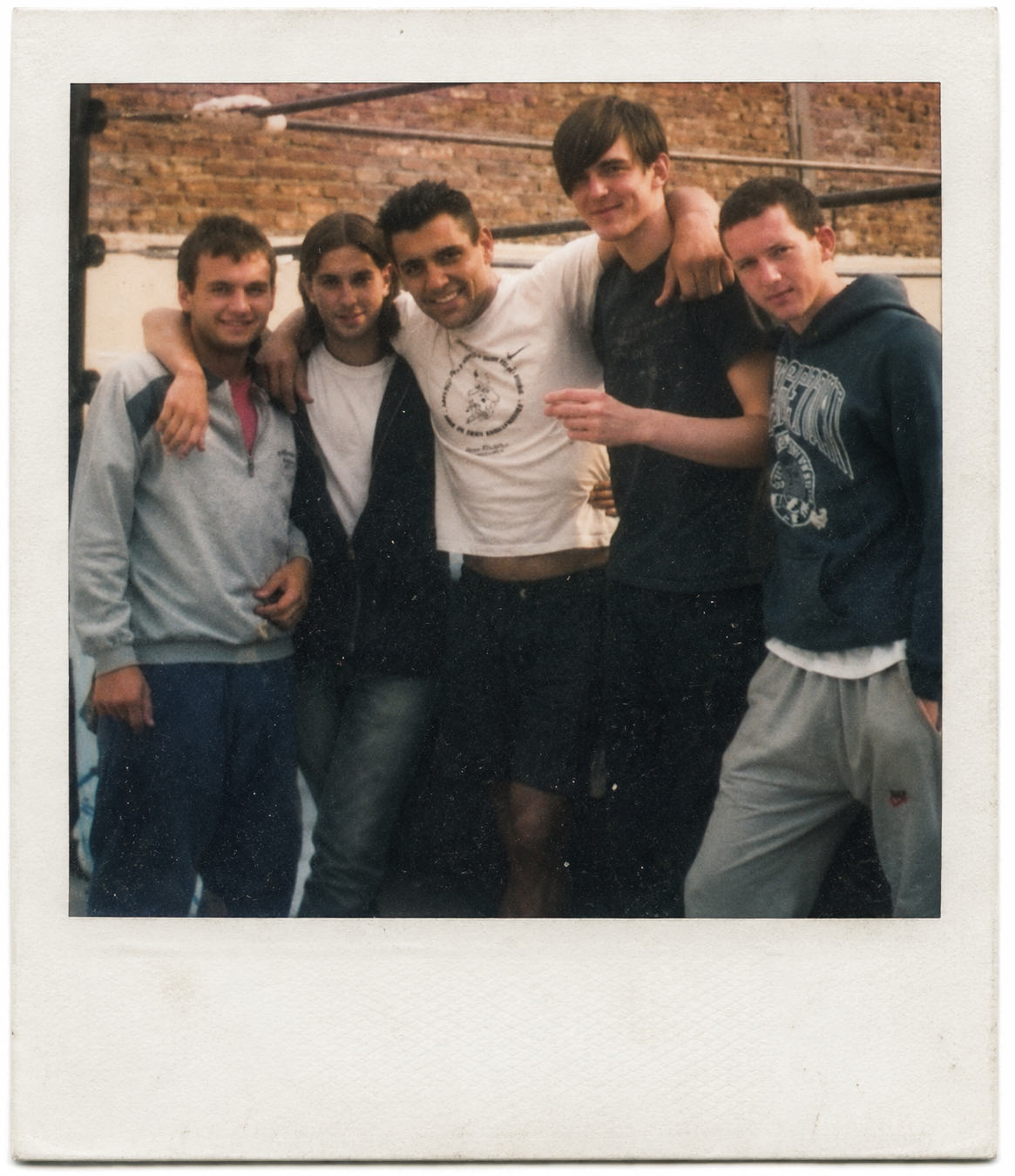
This Is the Story of Anyone, and Nobody’s
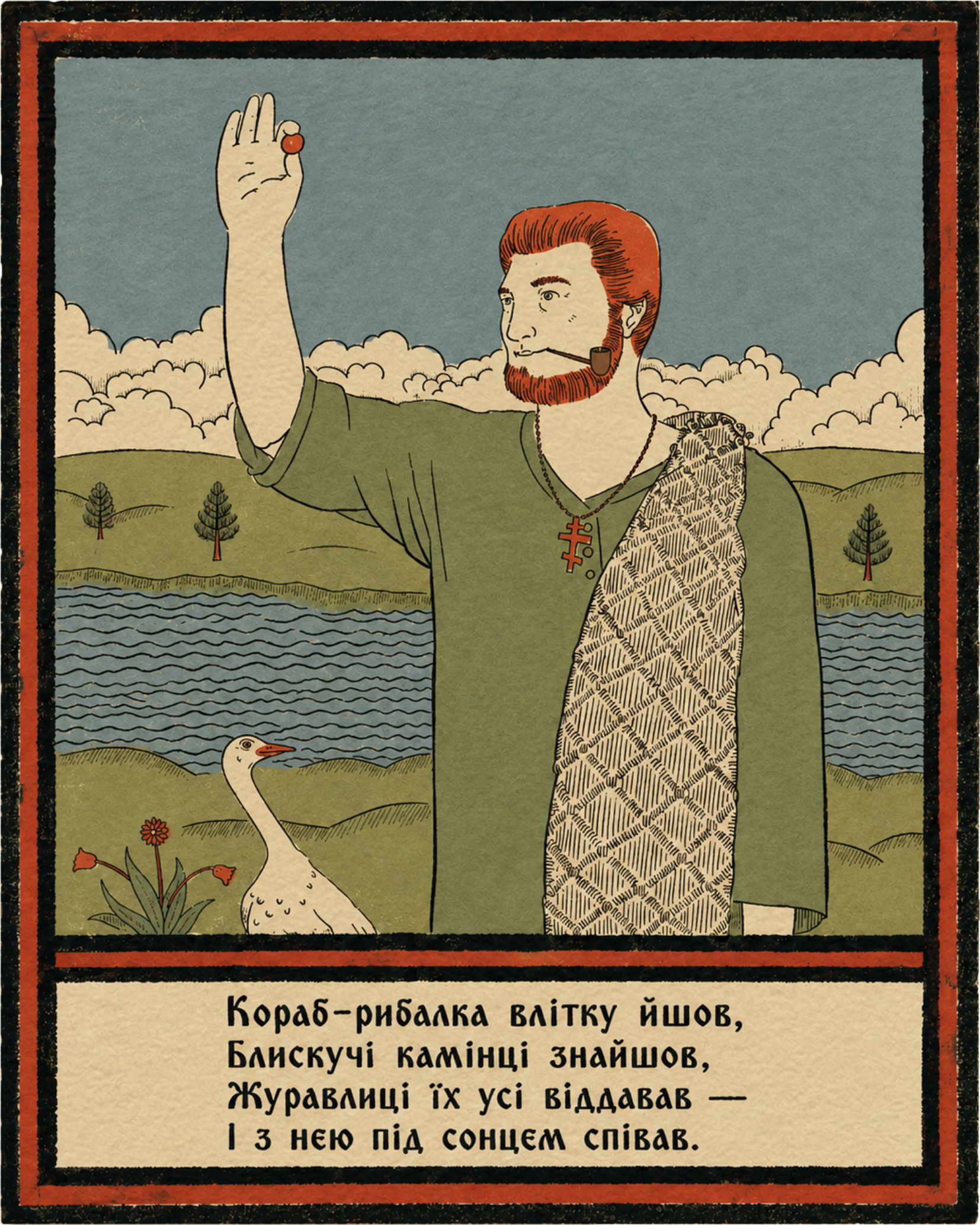
We all have a favorite childhood gift. Mine was a book of Afanasiev’s fairy tales, illustrated by Igor Ershov and Ksenia Ershova, in which I marveled at the Firebird, the Little Humpbacked Horse, and Vasilisa the Wise. Meanwhile, visiting my grandparents’ house allowed me to enter a library that seemed vast beyond measure to me, where, all in the same place, I encountered Narnia, yes, but also the workings of the stars, paleontology, History, and the Bible, which was the link between this world and the other.
From time to time, Ukrainian characters would appear in that house —people my grandfather, the son of Ukrainians and a USSR sympathizer, would take in for a while. They spoke of their world, only a few years after the fall of the Wall, as though it were the kingdom of three times nine. And a Russian uncle, Ivan, who had escaped with his family after a battle in Afghanistan had left only him and one other man alive from his entire company, taught me how to play chess.
And that was much more than my world.
It WAS the world.
Years later, after my parents separated when I was still very young, that world began to crack. Family gatherings grew fewer and more decadent: a Christmas that had once carried a certain solemnity, yet was luminous all the same—there was even one Christmas when the full moon turned blue, never to do so again—became simply another occasion for watching my mother dance to secular music, relatives drinking until drunk, and finding the dawn out in the street.
The world would never be the same again.
And yet I kept looking for it, like Tootles searching for his marbles in the Peter Pan film.
In the early 2000s, my first reading of the apocryphal Gospels, mixed with dreams and broken hopes, gave shape to the first version of The Apocalypse of Jonah (as it was called back then). In it, as I did, the hero awoke inside a fish, while the real world—the world of Vasilisa and the Firebird—existed somewhere out there.
Writing became a symbolic way of embodying that search.
But like the search for the Grail, the endeavor ended in frustration, and I abandoned the novel. I tried to defend myself against the thought that, as I grew older, I “had to be useful” by inventing a theory that concluded, quite logically, that the true purpose of life has more to do with useless things than with functional concepts. Even so, the world remained abyssal. After reading Borges’s “The Circular Ruins,” I began to think that perhaps it was possible to create everything anew, after this fallen world. Borges led me to Chesterton, Milton, Blake, and Swedenborg.
This was also the time when I attended the School of Fine Arts in Buenos Aires, whose library became another doorway into another world, and another time. The Pre-Raphaelites in particular—Burne-Jones, Rossetti, de Nuncques, and Redon—spoke to me of that lost world, though not entirely lost, because it still permeated this one through art.
Because I believed—and this too was part of my theory—that art and beauty are not subjective. There is a Source, but that source is neither you nor me. Beauty is not in the eye of the beholder; if anything, the eyes of the beholder are simply open to what lies beyond the veil that obscures it.
But beauty eluded me.
I could not grasp it. It slipped away, hid itself, rejected me. It appeared in dreams, and then dreams repeated themselves in reality. In one of them, a green-eyed girl with a penetrating gaze appeared a few days later on a bus. I asked her if I knew her from somewhere else. She evaded me as one evades a plague.
I learned that reality, like an onion, is made of layers. But each layer seemed to be a doorway to a disappointment equal to, or greater than, the one before it. I wanted to reconcile beauty with function. I decided to study Architecture, which seemed, in practice, to do precisely that. But the disappointment persisted.
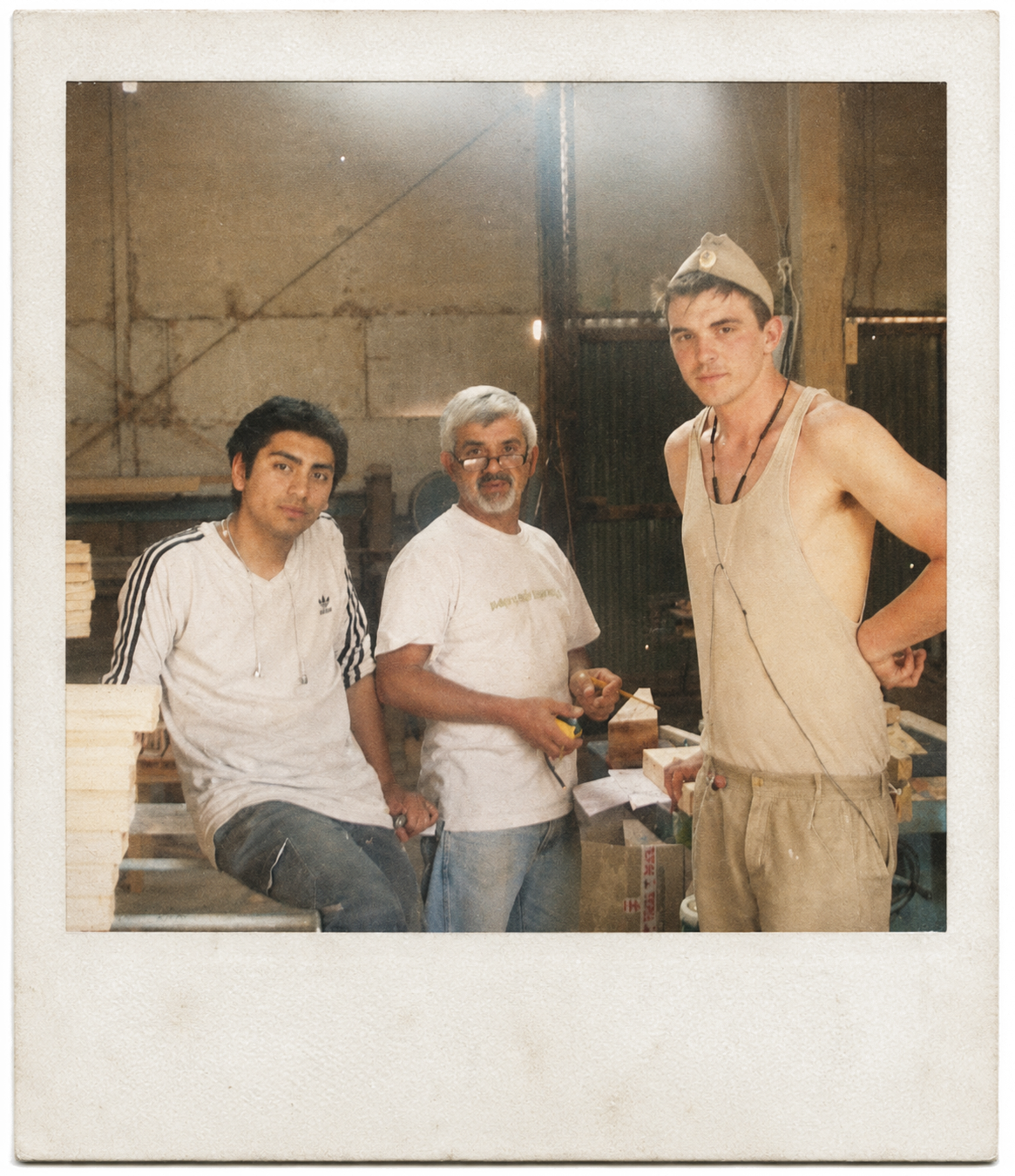
Without finishing my degree, I escaped from a call-center job to a small town in the Andes. I thought simplicity was the key. I asked for work in a carpenter’s shop, telling myself that if God Himself had chosen that trade, there must be a reason.
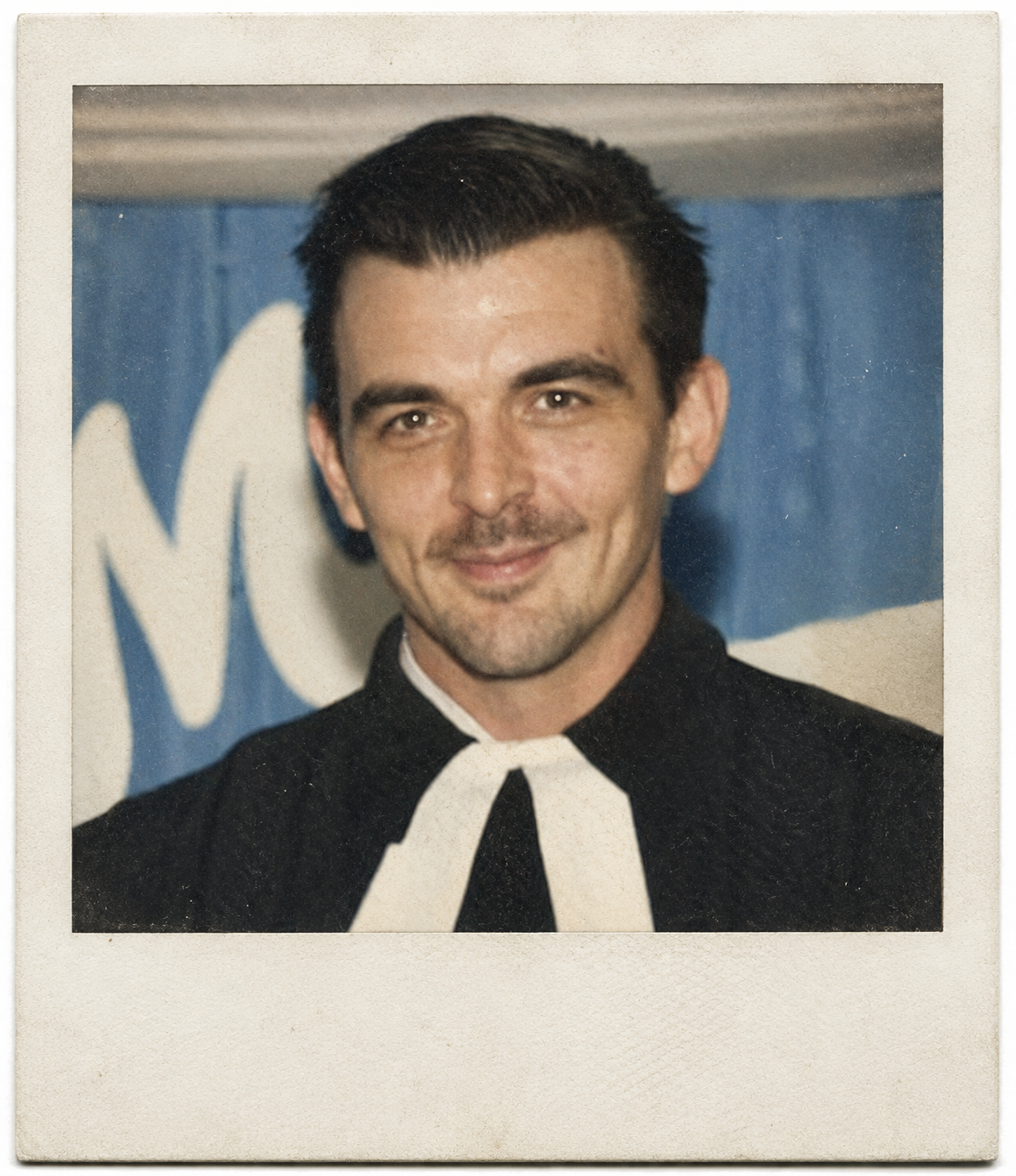
Some time later, suffocated by the lack of work, I had to return to Buenos Aires. I did not feel that I had wasted my time, but I gave up. At the church I attended, I asked whether there was any chance of obtaining a scholarship to study Theology, and some time later I graduated.
With that, I was raising the white flag: there was no point in fighting any longer to find, in this age, in this generation, something truly worth finding. This world was lost and condemned beyond remedy. I put all my stakes on the World to come.
Through a series of twists and turns, I ended up years later in the province of Misiones, where I am now. For the past six years I have devoted myself to pastoral ministry, though not for much longer. About four years ago, I also returned to writing. I dismantled that old novel from my adolescence and rewrote it in English; then into Spanish, and finished it; finally, I translated it back into English and polished it.
Little by little, I am also returning to carpentry. By these days I should be finishing some Langstroth beehives, and I hope they will ask me to make many more, with God’s help. It is a simple craft, all things considered, and, at least for a somewhat broken man like me, I believe it is a life that feels much more consecrated than that of a pastor.
Today, I no longer think that the old dichotomy between the functional and the aesthetic makes any sense.
The historical line of my life, like History itself, has meaning only because it is crossed by another line: one that runs transversely, once and infinitely again.
Nikhto (ніхто) means “nobody” in Ukrainian, by the way.